

The Marketing Blunder of Pepsi’s Fighter Jet Commercial
Few advertising campaigns have earned a place in marketing history quite like the Pepsi fighter jet commercial. What began as a playful rewards promotion in the 1990s quickly turned into a legal battle, global media attention, and a long-lasting lesson in how creative marketing can go wrong. Today, the campaign is still referenced as a classic marketing fails case study, not because Pepsi lacked creativity, but because the execution crossed a critical line between humor and clarity.
This article breaks down what happened, why it mattered, and what modern marketers can learn from one of the most famous advertising mistakes of all time.
The Pepsi Points Commercial That Started It All
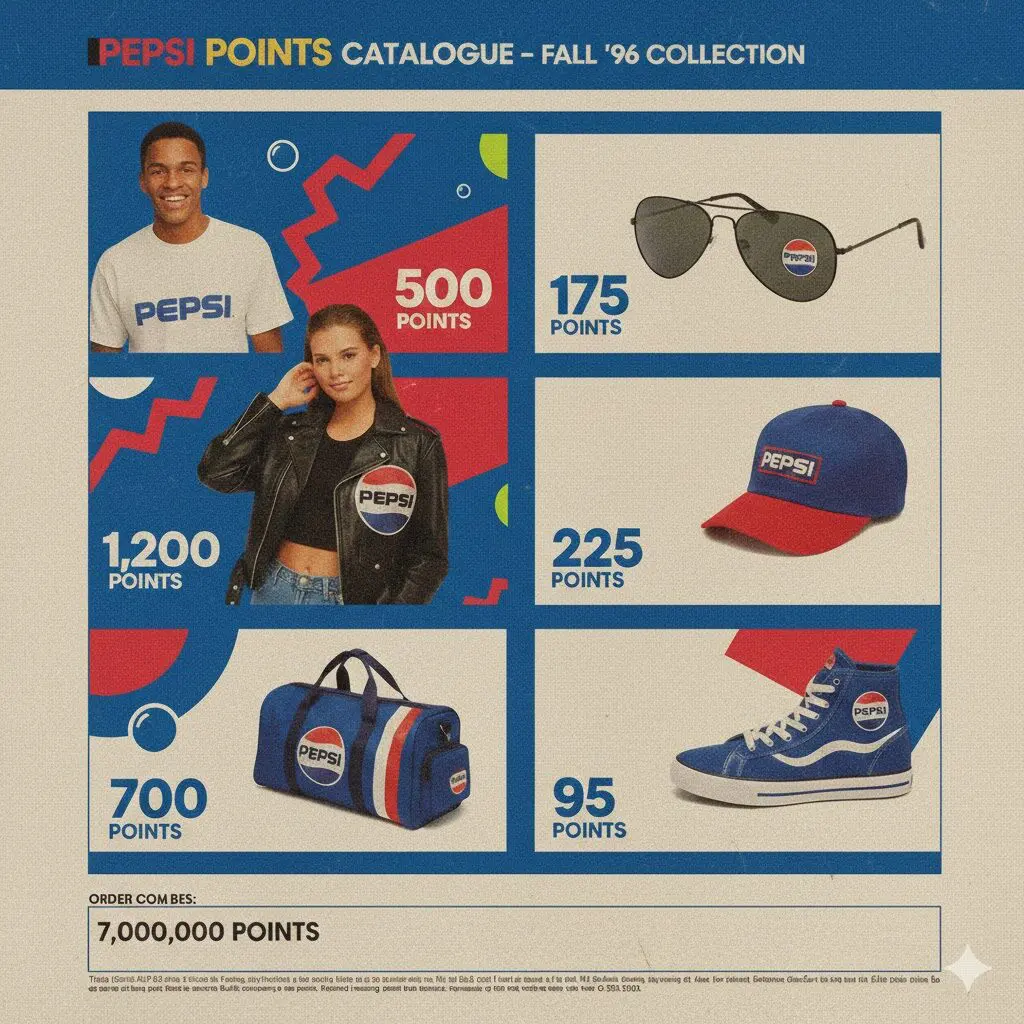
In the mid-1990s, Pepsi launched a loyalty campaign known as Pepsi Points. Customers could earn points by purchasing Pepsi products and then redeem those points for branded merchandise. Rewards included items like T-shirts, sunglasses, leather jackets, and other promotional gear that appealed to younger consumers.
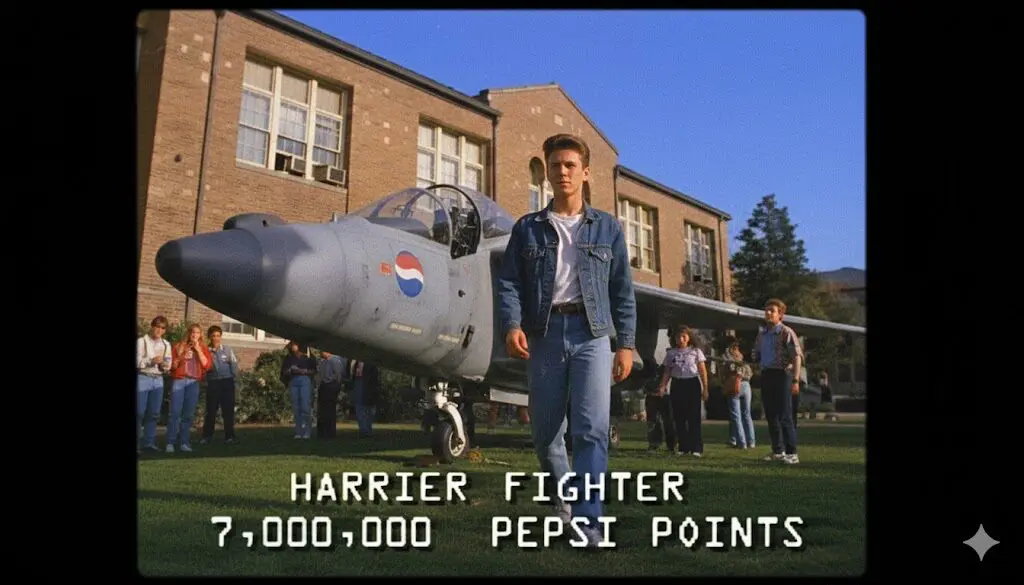
To promote the campaign, Pepsi released a television commercial that showed a teenager using Pepsi Points to acquire increasingly impressive items. The ad ended with the student arriving at school in a military Harrier jet, accompanied by on-screen text stating that the jet could be redeemed for seven million Pepsi Points.
The moment was designed to be humorous and exaggerated. Compared to a jacket or sunglasses, a fighter jet felt absurd and attention-grabbing. From a creative standpoint, the commercial succeeded in capturing attention. From a marketing and legal standpoint, it introduced serious risk.
The Fighter Jet Offer and the Problem with Ambiguity
The core issue with the Pepsi fighter jet commercial was not the idea itself but the lack of clear boundaries. The commercial did not explicitly state that the jet was a joke. There was no visible disclaimer in the ad clarifying that the Harrier jet was not a real reward.
In marketing, exaggeration is common, but it relies on shared understanding. When an offer appears specific, priced, and consistent with the rest of a promotion, it becomes harder to dismiss as pure satire. The jet was assigned a point value, just like every other item shown in the commercial. That detail made the joke feel structured rather than symbolic.
This is where Pepsi’s marketing blunder began. Humor without clarity leaves room for interpretation, and in advertising, interpretation carries legal weight.
John Leonard and the Pepsi Harrier Jet Lawsuit
Shortly after the commercial aired, a college student named John Leonard took the ad at face value. He calculated the cost of acquiring seven million Pepsi Points and discovered that the promotion allowed customers to purchase additional points directly from Pepsi at a set price.

Using this option, Leonard raised funds and submitted an order claiming the Harrier jet reward. Pepsi rejected the request, stating that the jet was a joke and not a legitimate offer.
Leonard disagreed and filed a lawsuit, arguing that the commercial constituted a valid offer under contract law. This case became known as the Pepsi Harrier jet lawsuit and quickly attracted widespread attention due to the unusual nature of the claim.
The Court Ruling and Legal Outcome
The court ruled in Pepsi’s favor. The judge stated that no reasonable person would believe Pepsi was offering a real military fighter jet as part of a consumer promotion.
Legally, Pepsi won.
From a brand perspective, the outcome was less clear.
The lawsuit generated years of negative attention, documentaries, and press coverage. Even decades later, the brand remains tied to this incident when discussing famous advertising mistakes.
Winning in court did not erase the reputational cost.
Why the Pepsi Fighter Jet Commercial Became a Case Study
What makes the Pepsi jet promotion case stand out is not just the lawsuit, but how long the story has remained relevant. Decades later, it continues to appear in marketing textbooks, legal discussions, documentaries, and brand strategy conversations.
The campaign showed how:
- Humor can be misunderstood
- Ambiguous messaging creates legal risk
- Small creative details can have large consequences
The campaign highlights how a single creative decision can reshape a brand narrative. The commercial was memorable, but not for the reasons Pepsi likely intended. Instead of being remembered as a clever loyalty promotion, it became an example of how unclear messaging can escalate into a public and legal crisis.
This is why it is often cited among famous advertising mistakes. The failure was not dramatic or immediate. It unfolded slowly, driven by ambiguity and assumption.
Key Marketing Lessons from Pepsi’s Jet Promotion
Ambiguity Creates Risk, Not Curiosity
In marketing, clarity builds trust. Ambiguity may feel playful, but it opens the door to misinterpretation. The Pepsi fighter jet commercial blurred the line between exaggeration and promise by assigning a specific point value to the jet. That detail made the offer feel structured and real.
When promotions involve rewards, pricing, or redemption systems, every element must be unmistakable. If something is not available, that message must be explicit.
Disclaimers Must Be Visible and Meaningful
One of the most cited lessons from this campaign is the importance of disclaimers. Fine print that appears briefly or only in supporting materials is not enough. If a message can be misunderstood, the clarification must be just as visible as the claim itself.
Modern marketers often rely on humor or fast-paced visuals, but legal clarity cannot be an afterthought. Disclaimers should be integrated into the creative, not hidden beneath it.
Humor Does Not Cancel Responsibility
Many marketing teams assume that humor provides protection. The idea is that if something is clearly exaggerated, audiences will understand the intent. The Pepsi marketing blunder shows why this assumption is dangerous.
Different audiences interpret ads differently. What feels obvious to a creative team may not be obvious to viewers. Humor should enhance a message, not obscure its meaning.
Legal Wins Do Not Equal Brand Wins
Pepsi won the lawsuit, but the brand still absorbed reputational damage. The case reinforced a perception of corporate arrogance and poor judgment. For marketers, this highlights an important reality. Legal success does not automatically translate into public approval.
Brand trust is shaped by perception, not verdicts. Once credibility is questioned, it takes time to rebuild.
How This Compares to Other Famous Advertising Mistakes
Many marketing failures involve tone-deaf messaging or cultural missteps. What makes the Pepsi fighter jet commercial unique is the legal escalation. Very few campaigns result in court cases that last years and attract international attention.
Unlike short-lived controversies, this promotion became a permanent reference point. It is frequently mentioned alongside other marketing fails case studies, but it stands apart because it exposed a structural flaw in the campaign itself, not just a messaging error.
The lesson is clear. When promotions involve rewards, points, or pricing, creativity must be matched with precision.
Why This Case Still Matters for Marketers Today
Modern marketing moves faster than ever. Social media campaigns, influencer partnerships, and viral stunts can reach millions in hours. This speed increases the risk of misinterpretation and magnifies the consequences of unclear messaging.
The Pepsi Points commercial serves as a reminder that every campaign is a promise, whether intentional or not. Consumers take marketing messages seriously, especially when rewards or value are involved.
For brands today, the takeaway is not to avoid bold ideas, but to execute them responsibly. Creativity works best when supported by clarity, transparency, and foresight.
Final Thoughts
The Pepsi fighter jet commercial is remembered not for its creativity, but for its consequences. It remains one of the most famous advertising mistakes because it shows how a single unclear message can reshape a brand’s story.
For marketers, the takeaway is not to avoid bold ideas. It is to make sure bold ideas are unmistakably clear.
Memorable marketing is valuable. Understandable marketing is essential.