Product label designs need to do several things at once. They must communicate product information clearly, support brand recognition, and work within packaging and printing constraints. In many cases, they also need to follow industry regulations and formatting requirements.
Effective product label designs are built around structure. Information hierarchy, typography, spacing, and layout determine how easily a customer understands the product and how well the label performs in real environments such as shelves, shipping, and handling.
Below are the most common product label design use cases businesses request, organized by industry and product type.

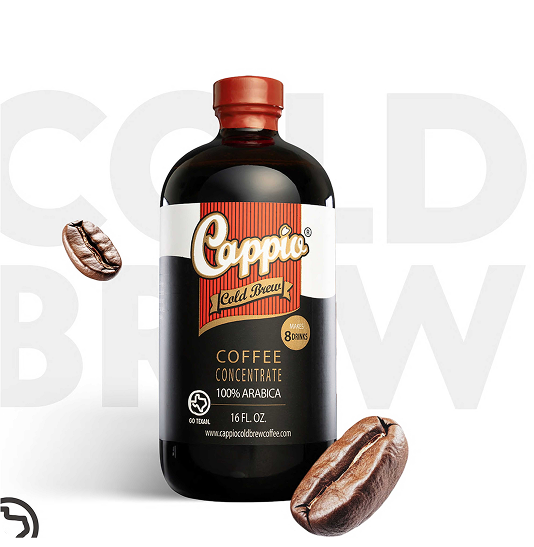
Food, beverage, and supplement label designs require careful organization of information. Product names, key claims, ingredients, and required disclosures must be readable without overcrowding the layout.
These designs often involve:
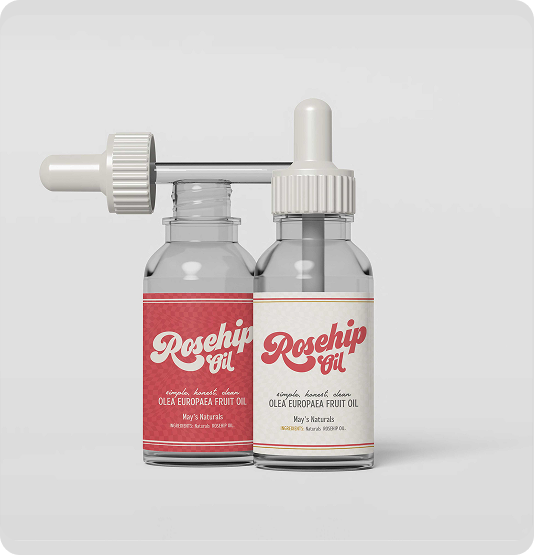
Cosmetic and personal care label designs balance branding with mandatory information. Visual tone plays a significant role, while ingredient lists and usage details still need to fit clearly within the layout.
These designs typically focus on:
Retail and direct-to-consumer product label designs are created to support both shelf presentation and online sales. Labels need to remain clear at small sizes and in digital product images
Common considerations include:
Industrial and compliance label designs prioritize function and accuracy. Information must be clear, durable, and formatted correctly for safety, handling, or regulatory use.
These designs often include:
Retail and direct-to-consumer product label designs are created to support both shelf presentation and online sales. Labels need to remain clear at small sizes and in digital product images
Common considerations include:
Product label design ideas are often requested during early stages of product development. These designs explore layout and visual direction before final production decisions are made.
This is useful for:
This approach works well for businesses that need new business card designs for different roles, teams, campaigns, or brand updates without restarting the process each time.